
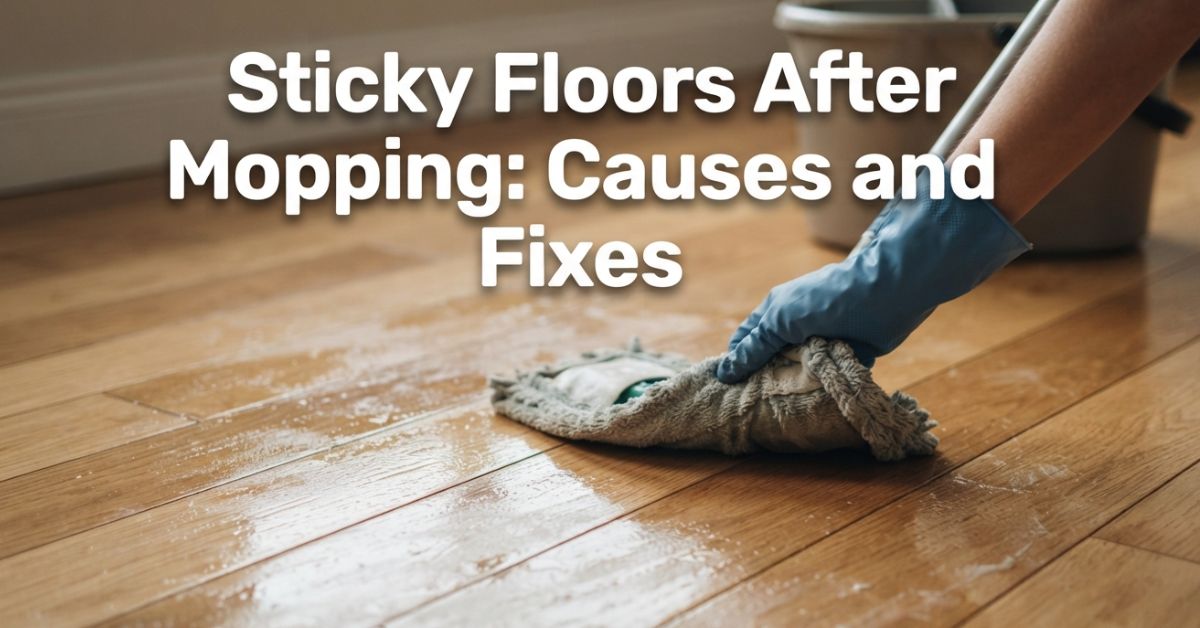
Have you ever mopped your kitchen, turned around for a short period of time, and then come back to find your socks stuck to the floor? That can be confusing. And it’s confusing too, because you just cleaned. Sticky floors after mopping are one of those problems almost everyone runs into at some point. The cause of this problem is always assumed to be improper use of the mop. But usually, that is not the case. It is easy to fix if you know the reason.
Why Do Floors Feel Sticky After Mopping?
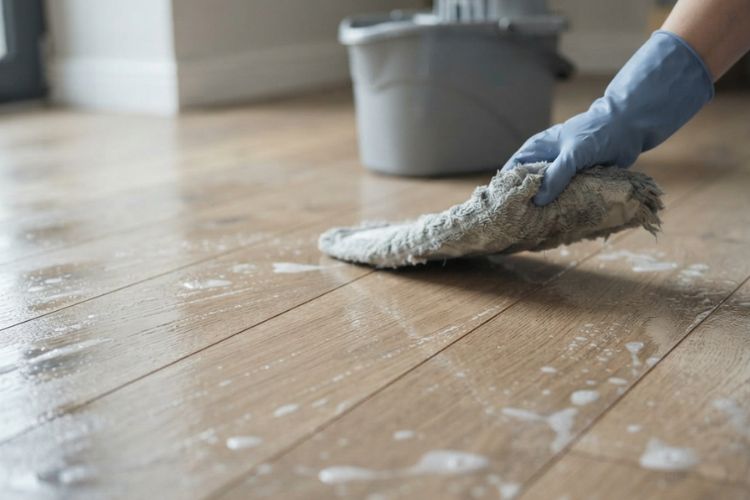
Here’s the thing nobody tells you: that tacky feeling isn’t dirt sneaking back onto your floor. It’s leftover film. When your cleaning solution, the grime it picked up, and whatever minerals are in your tap water don’t get fully rinsed away, they dry into a thin, sticky coating. Walk on it a few times, throw in a little humidity, and suddenly you’re peeling your feet off the tile like it’s flypaper.
Once you get that, cleaning sticky floors stops being a mystery. You’re not fighting dirt anymore; you’re fighting residue.
Common Culprits Behind Cleaning Sticky Floors
There’s usually one (or two) habits behind this. Most of us are guilty of at least one without even realizing it.
- Too much cleaning solution. More soap doesn’t mean a cleaner floor. It just means more film left behind once the water evaporates.
- No rinse step. A lot of all-purpose cleaners technically need a plain water rinse afterward, and almost nobody does it. Skip it, and residue just sits there and hardens.
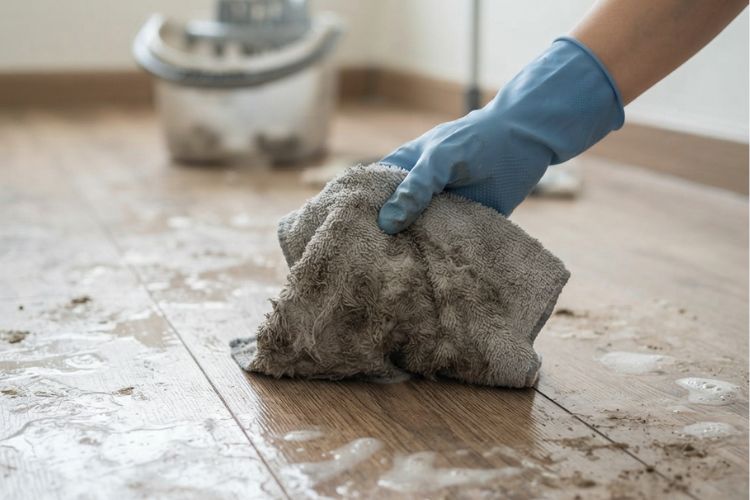
- Mopping with dirty water. Once that bucket water turns gray, you’re not cleaning anymore. You’re basically redistributing grime across the whole floor.
- Hard water. If your tap water has a lot of minerals, they’ll leave a chalky, sticky film behind, especially on tile.
- Using the wrong cleaner. Some products just don’t play nice with certain flooring finishes. They leave a residue that never really lifts, no matter how much you scrub.
Floors Slippery After Mopping: A Related but Different Problem
Quick tangent, because people mix these two up all the time. Sticky floors grab at your feet. Floors slippery after mopping, on the other hand, feel almost dangerously smooth, like there’s a thin layer of oil under there somewhere. That’s usually a different cause; certain polishes, fabric-softener-based cleaners, or (again) too much soap can leave behind something more slick than sticky.
Same root problem though: leftover residue that didn’t get rinsed off. So if your floors are slippery after mopping rather than tacky, don’t worry, the fixes below still work. Just pay extra attention to that rinse step.
How to Fix Sticky Floors: A Step-by-Step Approach
So how do you actually fix sticky floors once they’ve already dried tacky? You don’t just mop harder. You strip the residue first, then start fresh.
- Vinegar rinse first. Mix equal parts warm water and white vinegar. Mop with just that, no soap. Vinegar cuts through soap film and mineral buildup without leaving anything behind of its own.
- Plain water pass. Right after the vinegar step, mop again with clean water and a fresh mop head or cloth. This pulls up whatever the vinegar loosened.
- Dry it by hand. Letting the floor air dry sounds fine, but minerals in the water can resettle as it dries. A quick pass with a dry microfiber cloth locks in that clean, streak-free look.
- Actually wash your mop. A grimy mop head just puts the same buildup right back on your floor next time. Toss it in the laundry every so often.
That combo- vinegar, then water, then dry- is genuinely the most reliable answer to how to fix sticky floors. Most people notice a difference the very first time they try it.
Preventing Sticky Floors Before They Start
Once your floors are reset, a few small habits keep them that way. Nothing complicated here.
- Measure the cleaning solution. Follow the label. Seriously. More concentrate almost never gets you a better result.
- Change your mop water. A good rule: swap it out every couple of rooms, more often in bigger homes.
- Rinse anyway, even if the bottle says “no-rinse needed.” A quick pass with plain water rarely hurts.
- Test new products on a small spot first, especially on natural stone, laminate, or luxury vinyl. They can react in ways you don’t expect.
Stick with that, and cleaning sticky floors goes from a monthly headache to something you almost never think about again.
When Regular Cleaning Isn’t Solving the Problem
Sometimes it’s not really about technique. It’s about time. Between work, kids, errands, whatever’s eating your week, floors get a rushed pass instead of the real clean they need. That’s honestly where the benefits of hiring a house cleaner start to make a lot more sense than they might sound at first. A professional already knows how much product to use, when to change the water, and which method actually works for your specific flooring; no guesswork involved.
And if sticky or slippery floors keep coming back no matter what you try, it might be time to bring in real cleaning services instead of fighting it alone. A proper deep clean also clears out months of built-up residue in one go, so you’re not just patching the problem; you’re actually starting over.
Frequently Asked Questions
Why do my floors still feel sticky even after I rinse them?
Most likely, the rinse water has not been clean. If you use the same bucket for all your house, you basically spread the residue and do not clean it up. Clean water makes a difference, particularly in the case of big areas.
How do I fix sticky floors on tile specifically?
Tiles are notorious for trapping residue along the grout lines. The combination of vinegar with water, followed by a microfiber cloth, works wonderfully well, since this method dissolves mineral deposits instead of just moving them around.
Is vinegar safe for all floor types?
In general, yes. This includes tile, vinyl, and completed wood floors. The only exception could be natural stones like marble or travertine. Since vinegar is acidic, it can ruin such finishes over time. If you’re unsure, check with your floor manufacturer.
How do I fix sticky floors without buying anything new?
Materials that you will need for cleaning sticky floors are likely available at your place already. Just use plain water, white vinegar, and a clean microfiber mop to eliminate most residues.
Final Thoughts
Sticky floors after mopping don’t mean you’re bad at cleaning. It usually just means one small step in the process: rinsing, measuring, and changing the water needs a tweak. Get that right, and floors slippery after mopping or stuck-to-your-feet tacky become a thing of the past. And on the weeks when there’s just no time for any of it, a cleaning team can take the whole thing off your hands, leaving you with floors that feel as clean as they look, not just recently wet.